


Our Factory
LINYI GUOMAI ABRASIVES FACTORY is primarily involved in the production and processing of resin-bonded abrasives and ceramic bonded grinding wheels.It was estabblished and started production in March, 1998. The company has strong technical process , reasonable layout of infrastructure facilities, advanced production equipment and complete supporting facilities. Resin bonded abrasive wheels and Ceramic bonded grinding wheels. under"GUOMAI"brand sell well both at home and abroad, and already have exported to more than 20 countries and regions,including Germany, America, South Korea, Middle east countries and so forth, and have.
Why Choose Us
Professional Manufacturer
We are a professional manufacturer of abrasive tools about 15 years.
Our Certificate
ISO9001;2008.
Rich Team
Our product managers, engineers and technicians offer our customers additional benefits through concrete recommendations.
Advanced Equipment
The company has strong technical force, reasonable infrastructure layout, advanced production equipment and complete supporting facilities.
Related Product
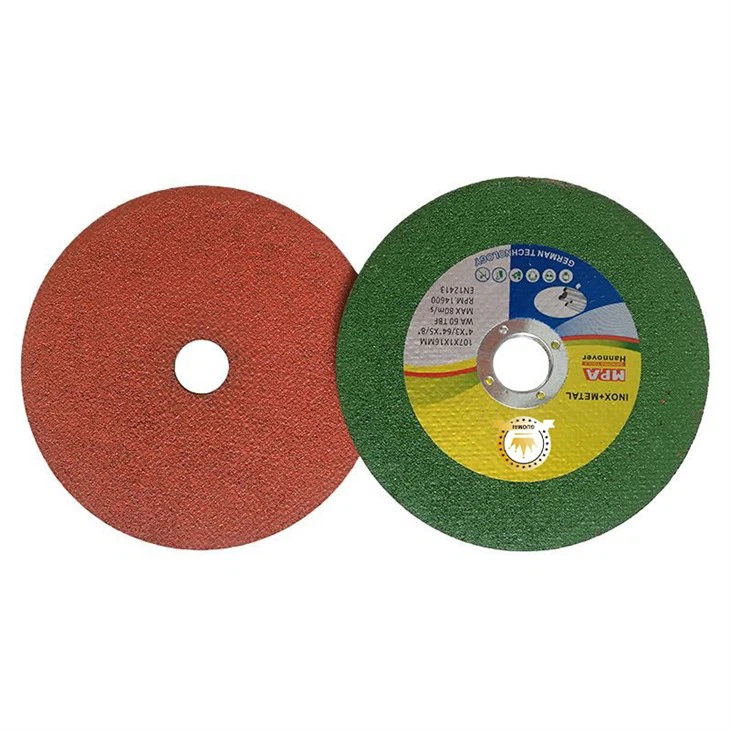
Cut Off Wheel for Iron and Alloy Parts
In the above picture, we have the composite view of the grinding wheel, that features state-of-the-art bonding technology, providing excellent balance and reduced vibrations during high-speed operations.
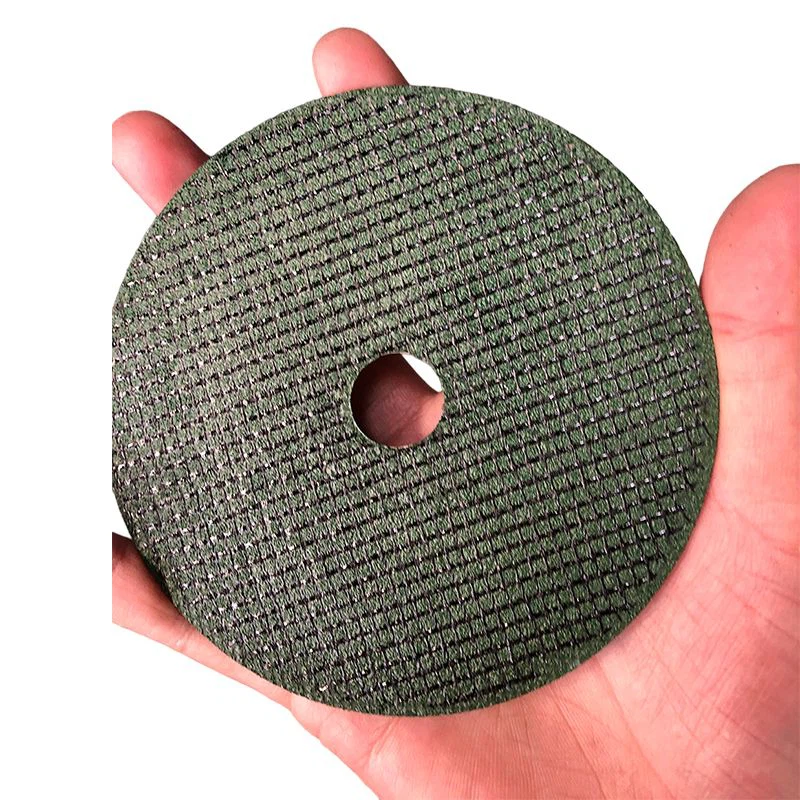
The Guomai Reinforced Cut-off Wheel has been carefully designed to meet a wide range of metal cutting needs. With a diameter of 230mm and a thickness of 1.9mm, this 9-inch cut-off wheel is strong yet slim, providing cutting precision and efficiency.
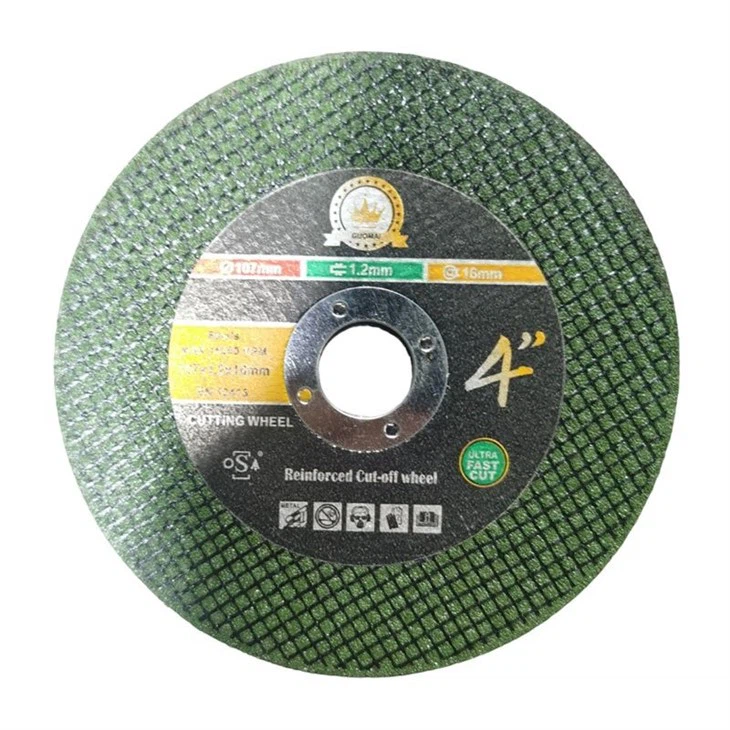
Introducing the SKEPL Superpower Cut-Off Wheel! This high-performance cutting wheel is expertly engineered for efficiency and precision. It measures 125mm in diameter with a thickness of 1.6mm and a 22mm arbor hole size, making it compatible with a wide range of angle grinders.

Only high-quality and stable batch products can ensure user safety and consistency To ensure this, all of our products will pass semi-finished product testing and finished product testing.

Used for angle grinder
Tough alumina abrasives are continuous
Expose during use to maintain sharp cutting edges.
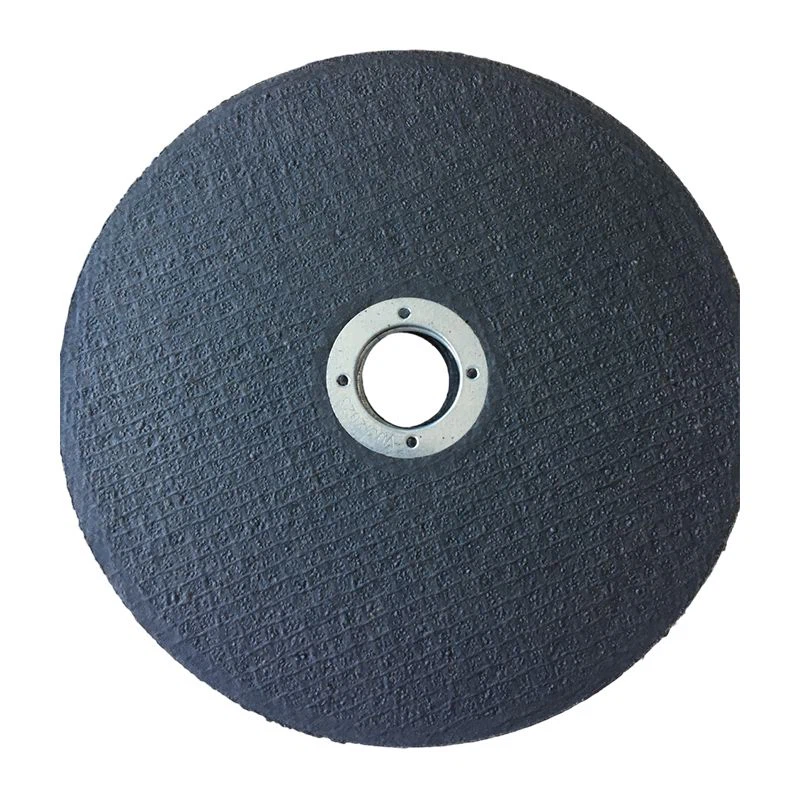
LINYI GUOMAI ABRASIVES is primarily involved in the production and processing of resin-bonded abrasives and ceramic bonded grinding wheels.It was estabblished and started production in March, 1996.

Having reliable cutting tools is essential when it comes to metalworking. We present to you top-of-the-line cutting disc wheels that offer unmatched precision and durability. Designed using advanced German technology, these cutting discs are made for professionals who are meticulous about their craft.
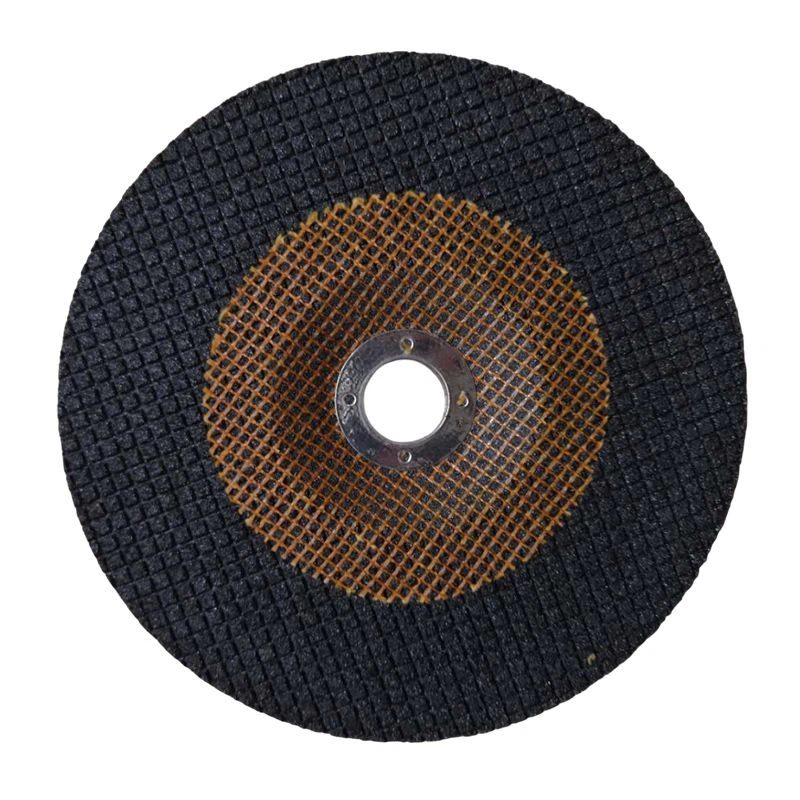
Introducing the precision-crafted cutting tool designed for serious professionals and DIY enthusiasts alike - the Premium Cut-Off Wheel. Engineered to offer unparalleled performance, this cut-off wheel features a robust construction that ensures durability and efficiency for a wide range of cutting applications.
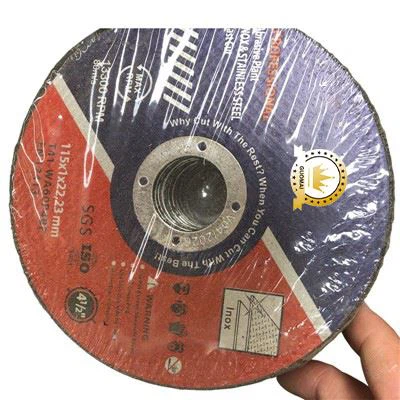
Introducing our latest innovation in the realm of metalworking and fabrication tools: the Ultra-Durability CUTTING DISC WHEEL. This cutting-edge abrasive disc is meticulously designed to deliver unparalleled precision, efficiency, and longevity for all your cutting needs.
What is Cutting Disc For Metal
A cutting disc for metal is a circular saw blade used in metalworking. cutting discs come in many different diameters and can be made of different materials. a cutting disc is usually mounted on the arbor of a metal-cutting lathe or milling machine, and rotated at high speed to cut away material from a workpiece.cutting discs are designed for use in metalworking machines such as lathes, mills and grinders. the material used for the discs varies depending on the application, with some designed for cutting ferrous metals, others for non-ferrous metals and some for wood or plastics.a cutting disc is a metal disc with a circular hole in the middle. it is used for cutting metal or other hard materials. cutting discs are often used in industrial settings, such as metalworking and steel fabricating shops.
Benefits of Cutting Disc For Metal
Excellent cutting performance
One of the main advantages of using a Cutting Disc For Metal is its superior cutting performance. Diamond, a superhard material, is known for its ability to cut a variety of materials with remarkable efficiency and precision.
Excellent cutting efficiency
Diamonds are often called the hardest known natural material and have extraordinary cutting abilities. When incorporated into cutting blades, they provide unparalleled efficiency. Diamond cutting discs cut through metal materials with ease, reducing the time and effort required for cutting tasks.Metal workers often encounter situations that require fast, precise cuts. In construction, for example, the ability to quickly cut metal beams or pipes can significantly impact project timelines. Diamond cutting discs perform exceptionally well in this situation, allowing for rapid progress.
Smooth, clean cuts
In addition to speed, the highly efficient metal diamond cutting disc produces extremely smooth and clean cuts. This superior cut quality eliminates extensive post-cut finishing work, such as smoothing rough edges. The result is a finished product that meets high quality standards.To illustrate the difference in cut quality, consider the case where a complex metal design needs to be precisely cut for decorative purposes. Traditional cutting methods can leave jagged or uneven edges that require time-consuming refinishing. Diamond cutting wheels, on the other hand, allow for precise and aesthetically pleasing cuts, reducing the need for further detailing.
Real world examples
To fully understand the advantages of diamond cutting wheels, let us consider a real world example. Imagine a metal fabrication shop tasked with cutting intricate patterns from stainless steel sheets for architectural applications. Using traditional cutting tools can result in slow progress and imprecise cuts, requiring extensive post-cutting work. However, by switching to diamond cutting wheels, the shop saw a dramatic increase in cutting speed and quality, ultimately increasing productivity and customer satisfaction.
Extend tool life
Another compelling advantage of using diamond cutting wheels for metal cutting is their ability to extend the life of the cutting tool. This longevity stems from the wear-resistant properties of diamond, which significantly reduce wear on the cutting disc.
Diamond wear resistance
Diamonds are known for their exceptional hardness and wear resistance. When diamonds are used as cutting elements in discs, they exhibit minimal wear even when subjected to the abrasive properties of metallic materials. This wear resistance is a key factor in extending the tool life of diamond cutting discs.
Save costs
Extended service life of diamond cutting wheels means cost savings for metalworking operations. For traditional cutting discs, they usually need to be replaced frequently due to wear and reduced cutting efficiency. These replacements not only incur the cost of purchasing new discs, but also cause downtime due to tool changes.In contrast, diamond cutting discs have a longer service life and can be replaced less frequently. The reduction in downtime and replacement costs directly contributes to the cost efficiency of metalworking operations.
Types of Cutting Disc For Metal
Cutting wheel for aluminum
Aluminum is a lightweight material, coming in at about one-third the weight of steel. It is also often just as strong or stronger when produced using the right techniques and correct alloys. In addition to a high strength-to-weight ratio, aluminum has a nice finish and natural resistance to corrosion. This metal offers significant advantages, but working with it presents unique challenges. Aluminum has a low melting point and will load on abrasives.
Cutting wheel for stainless steel
Stainless steel contains chromium, which gives this metal a protective layer against corrosion. Stainless steel resists but is not totally impervious to rust, so steps need to be taken during the production and fabrication process. It is essential to choose a cutting wheel made from abrasives compatible with stainless steel to ensure the workpiece isn't contaminated. The right cut-off wheel for stainless steel will increase efficiency, reduce rework and eliminate cross-contamination.
Cutting wheel for
When it comes to cutting the toughest metals, like tool steel, Inconel®, high-nickel alloy, titanium and armored steel, users need a cutting wheel that will deliver a superior combination of life and cut rate for maximum productivity.There's no more compromise. These wheels have ceramic grains that use a crystalline structure. This structure has millions of self-sharpening fracture points that sharpen at a higher rate than other kinds of grains. The result is faster cutting speeds, reduced friction at less pressure, higher material removal rate and cooler grinding, which reduces operator fatigue.
A cutting wheel for steel
Compared to metals like aluminum and stainless steel, sheet metal is much easier to cut through. With sheet metal, the primary thing to consider is the wheel thickness. Thin (.045 inch) and ultra-thin (1 millimeter) wheels are best. These wheels remove less material at once to provide a faster and cleaner cut that creates less friction and generates less heat, reducing the chances for surface discoloration.
Uses for Cut off Cutting Disc for Metal
Metal Cutting
Cut-off discs are frequently used to cut through various metals, including steel, aluminum, brass, and copper. They are valuable tools for metalworking, construction, and automotive applications.
Masonry Cutting
Cut-off discs can be used to cut through concrete, stone, and other masonry materials. They are handy for tasks like cutting bricks, tiles, and concrete blocks.
Woodworking
While primarily designed for cutting metal and masonry, some cut-off discs can be used for cutting wood when equipped with a suitable angle grinder. However, specialized saw blades are often more appropriate for woodcutting tasks.
Plastic Cutting
Cut-off discs can effectively cut through plastic materials, such as PVC pipes or plastic sheets. They provide precise and clean cuts in plastic.
Tile Cutting
When equipped with a tile cutting attachment, cut-off discs can be used to cut ceramic, porcelain, and glass tiles. This is a common application in the construction and tiling industry.
Rebar Cutting
Construction professionals use cut-off discs to cut reinforcement bars (rebar) to the desired length. It is a crucial step in reinforcing concrete structures.
Automotive Repair
Cut-off discs are useful for cutting through metal parts during automotive repairs, such as exhaust pipes, rusty bolts, or damaged body panels.
DIY Projects
Hobbyists and DIY enthusiasts use cut-off discs for various projects, including sculpture, home improvement, and custom metalwork.
How to Choose Cutting Disc For Metal
The type of material you plan on cutting is the most important factor when selecting a cutting disc. Different metals require different cutting discs. For example, if you're cutting aluminum, a diamond-tipped cutting disc will work best. Titanium, on the other hand, requires a zirconia cutting disc. Make sure you know the material you plan on cutting before selecting a cutting disc.
The diameter of the cutting disc is another factor to consider. Larger discs are better suited for cutting thicker materials, while smaller discs work best for thinner metals. It's important to select the right size disc to ensure maximum efficiency while cutting.
The thickness of the disc is another factor to consider. Thicker discs last longer and are more durable, making them ideal for long-term projects. However, they may not cut as quickly as thinner discs. Thinner discs are more suitable for quick projects that require less precision cutting. Choose the thickness based on the project requirements.
The speed at which the disc rotates is also a crucial consideration. Faster discs cut through metal quicker, but they also generate more heat. Slower discs may take longer to cut through but produce less heat. The speed you choose will depend on the material you are cutting and the project requirements.
The quality of the cutting disc is another important consideration. High-quality discs last longer and perform better, which can save you money in the long run. Cutting discs of lower quality may break or wear out quickly, requiring frequent replacement.
How to Use Cutting Disc For Metal With Right Way
Wear Protective Gear
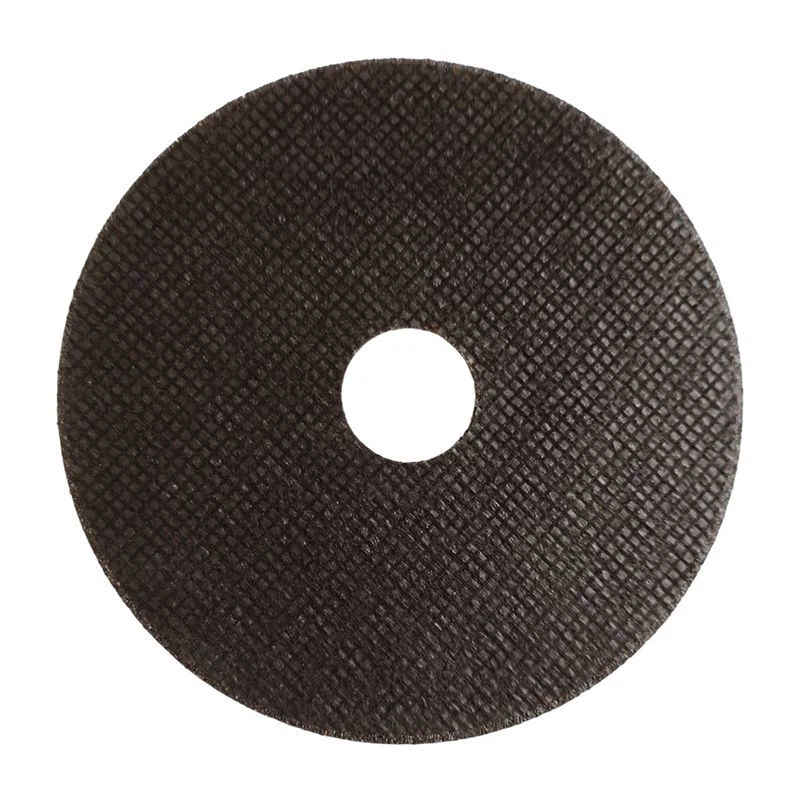
Before using a cutting disc, make sure to wear the proper protective gear. This includes safety glasses, gloves, and long-sleeved clothing. The gear will shield you from flying debris and prevent injuries.
Choose the Right Disc
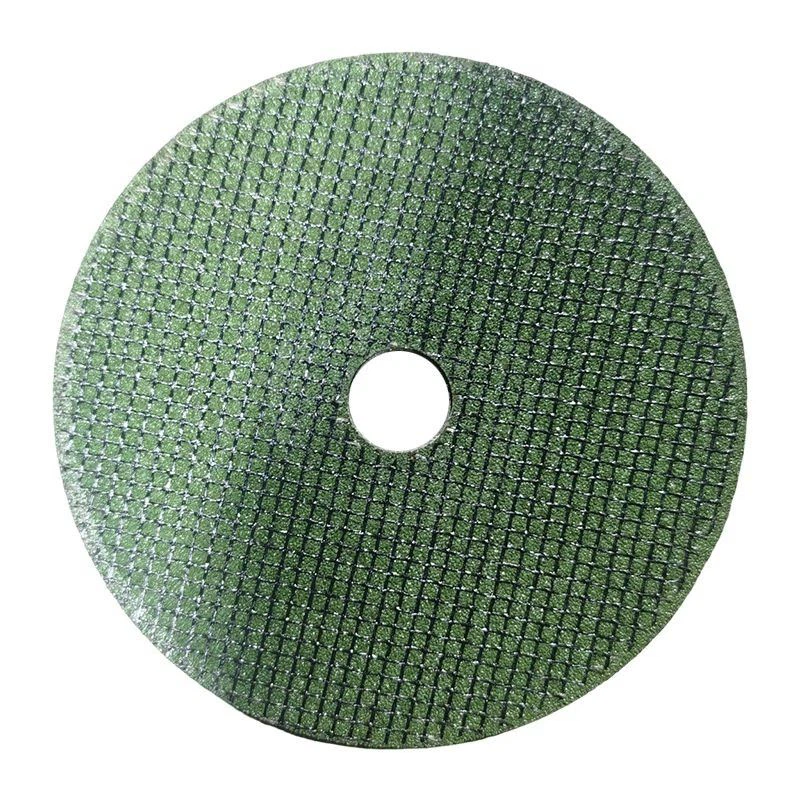
Different cutting discs are used for different materials. Use the disc that is appropriate for the material you're cutting. For example, a metal cutting disc won't be effective on concrete, so make sure to use the correct disc.
Check the Disc Before Use
Inspect the cut-off wheel before using it. Look for any cracks, chips, or other signs of damage. Using a damaged disc can cause it to break apart and hurt you. If the disc is damaged, replace it with a new one.
Secure the Workpiece
Make sure that the workpiece is securely held in place before attempting to cut. This will ensure that the material doesn't move or wobble during the cutting process, which can damage the workpiece or throw off the cutting wheel.

Use Proper Cutting Technique
Hold the cutting disc at a 90-degree angle to the workpiece. Apply gentle pressure to the material while cutting, letting the disc do the work. Allow the disc to cool down after a few cuts, so it doesn't overheat and become less effective.
Turn Off the Disc Before Stopping
After you've completed the cut, turn off the disc before releasing any pressure. This will prevent the disc from spinning out of control and causing damage or injury.
Follow Manufacturer Directions
Just like a car needs specific gas, saws and blades have their own instructions that need to be followed.Always check the manufacturers manual as well as the product packaging for the proper safety and handling of the product.
Don't Force It
Whenever operating saws, it's a bad idea to force the saw. Avoid pushing it too hard.Even diamond blades have their limits and will crack, chip, and break.
Cut Straight
Simply put, do not cut with the blade at such an angle that the sides of the saw does any of cutting.The blades are only designed to cut at the edges of the saw and not the flat sides.
Cool Down
Saws get really hot, really fast.There's a lot of power, friction, and force that go into grinding away the likes of concrete, brick, and asphalt.If your saw doesn't use water for cool down, you should take a break time.The harder the material you're cutting, the more cool down time you'll need.
Cut Only What's Recommended
Like stated above, many blades are only designed to cut certain materials.
Don't cut materials you're not supposed to
Reading the manufacturers manual and following the recommendations is a must.These instructions are designed to prevent the diamond blade from wearing down or ripping through material.
Routine Maintenance Checks
Before operating any saw with a diamond blade, it's a good idea to make sure nothing is already damaged.Check both sides and the edges of the blade to ensure it's ready to go.
How to Extend the Life and Performance of Metal Cutting Discs
Choose the Right Disc for the Job
The first step in extending the life of your metal cutting disc is to choose the right disc for the job. Different types of metal cutting discs are designed for specific purposes, so it's important to choose the right one for your task. For example, if you are cutting steel, a disc with a higher abrasive level may be required. Choosing the wrong disc for the job can lead to premature wear and tear, reducing the lifespan of the disc.
Keep Discs Clean
Metal cutting discs can accumulate debris from the materials being cut over time, leading to reduced performance and shortening the lifespan of the disc. To prevent this, it's important to keep your disc clean. Use a wire brush or compressed air to clean off debris before and after use. If your disc is particularly dirty, you can soak it in warm water and dish soap to remove built-up debris.
Properly Store Discs
Proper storage is essential for extending the lifespan of your metal cutting discs. Store your discs in a cool, dry place out of direct sunlight to prevent warping or damage. Avoid stacking discs as this can also lead to damage. Instead, store them in a single layer on a shelf or in a storage container that is specifically designed for discs.
Use the Disc Correctly
Using your metal cutting disc correctly is crucial to extending its lifespan. Follow the manufacturer's instructions for use carefully, and make sure to only use the disc for its intended purpose. Don't use excessive pressure or force when cutting, as this can lead to disc warping and reduce its lifespan. Additionally, avoid cutting materials that your disc is not designed to handle, as this can damage the disc and also lead to injury.
Regular Maintenance
Regular maintenance is an important part of extending the lifespan of your metal cutting disc. Check your disc frequently for signs of wear or damage. Replace the disc if it is damaged, warped, or worn down to less than half of its original size. Regularly sharpening your disc will also help to keep it cutting accurately and extend its lifespan.
Our Factory


FAQ
Hot Tags: 4.5''x1.2mm x16mm cutting disc for metal and stainless steel and inox, China 4.5''x1.2mm x16mm cutting disc for metal and stainless steel and inox manufacturers, suppliers, factory, cutting disc for metal, silicone wheel grinding, grinding wheel cutting disc, sanding discs diamond flap wheel for polishing, grinding wheel abrasive tool, wheel 7 inch


